

When buying or selling a home in San Antonio, TX, a professional home inspection plays a critical role in understanding the true condition of the property. While many homes appear well-maintained on the surface, inspections often reveal underlying issues that could impact safety, performance, and long-term costs.
Knowing what inspectors commonly find can help both buyers and sellers prepare, avoid surprises, and move forward with confidence.
1. Foundation Movement and Cracks
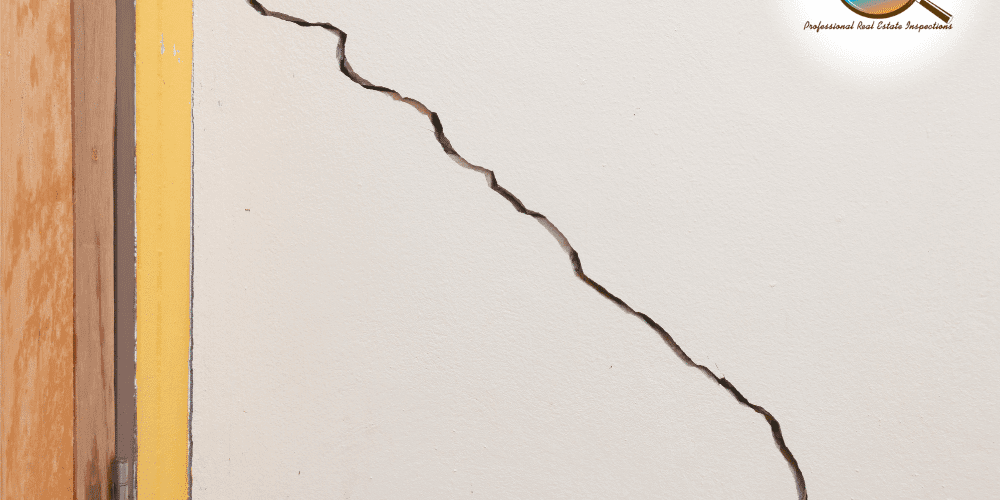
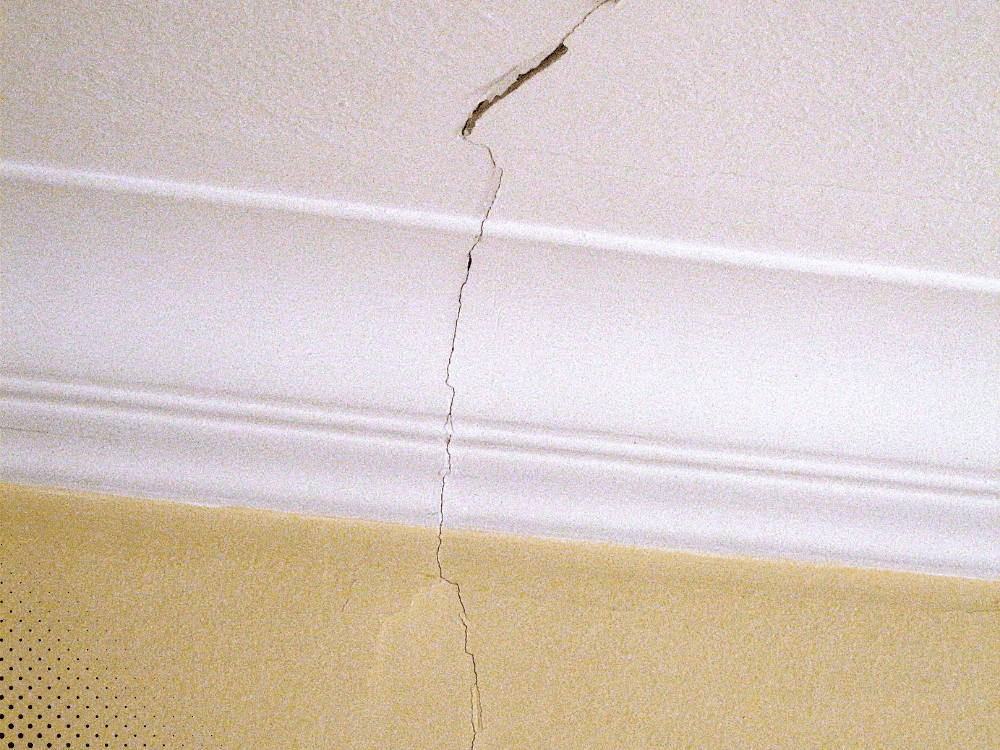
One of the most common issues found during a home inspection in San Antonio TX is foundation movement. Due to the region’s expansive clay soil, homes naturally expand and contract as moisture levels change.
This can lead to:
- Interior wall cracks
- Uneven flooring
- Doors and windows are not closing properly
While not all cracks indicate major structural problems, proper evaluation helps determine what requires attention.
 2. Roofing Wear and Storm Damage
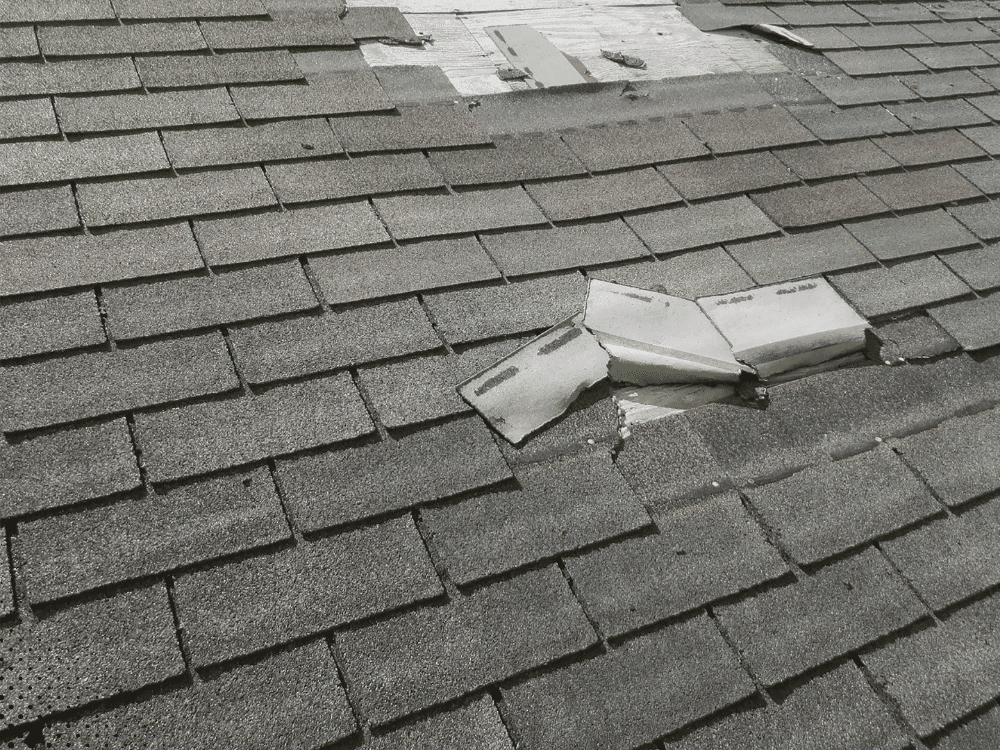
Homes are exposed to intense heat, UV exposure, and seasonal storms, which can wear down roofing materials over time.
Common findings include:
- Missing or damaged shingles
- Flashing issues
- Signs of previous repairs
- Early-stage leaks
For buyers, this can affect future maintenance costs. For sellers, addressing roofing concerns early can help avoid negotiation delays.
3. HVAC System Performance Issues
Heating and cooling systems work hard in San Antonio’s climate. During an inspection, HVAC systems are evaluated for performance, efficiency, and condition.
Inspectors often find:
- Dirty or clogged filters
- Aging systems near end-of-life
- Inconsistent cooling
- Improper installation
Understanding the condition of HVAC systems helps homeowners plan for future servicing or replacement.
4. Plumbing Leaks and Drainage Concerns

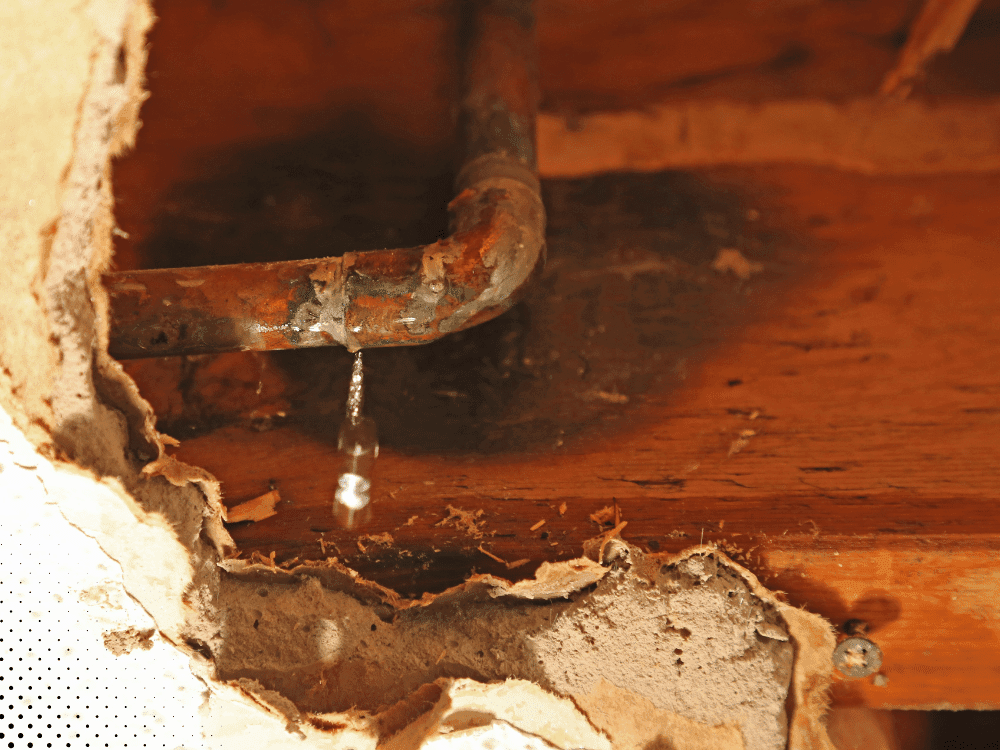
Plumbing issues are another frequent finding. Some problems are minor, while others may indicate larger concerns.
Typical inspection findings include:
- Slow drains
- Minor leaks under sinks
- Water pressure inconsistencies
- Signs of past water damage
These issues, if left unaddressed, can lead to more significant repairs over time.
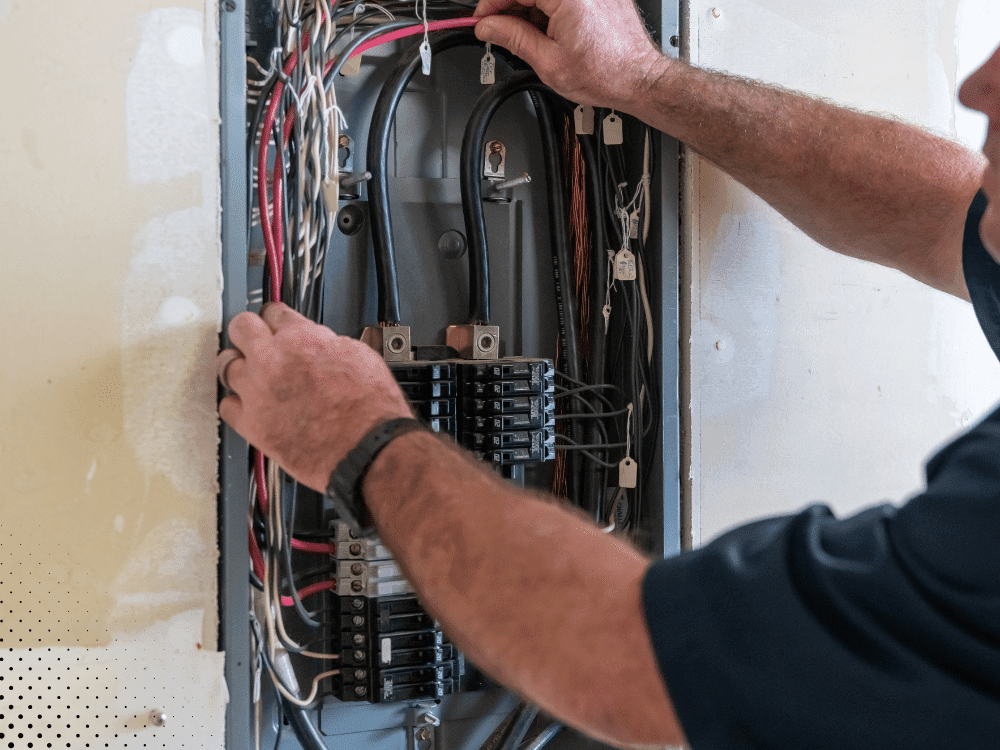
5. Electrical System Concerns
Electrical systems are evaluated for safety and functionality. While many homes meet basic standards, inspections may uncover issues such as:
- Loose outlets or switches
- Double-tapped breakers
- Improper wiring
- Outdated panels
Addressing these concerns helps improve safety and ensures systems operate correctly.
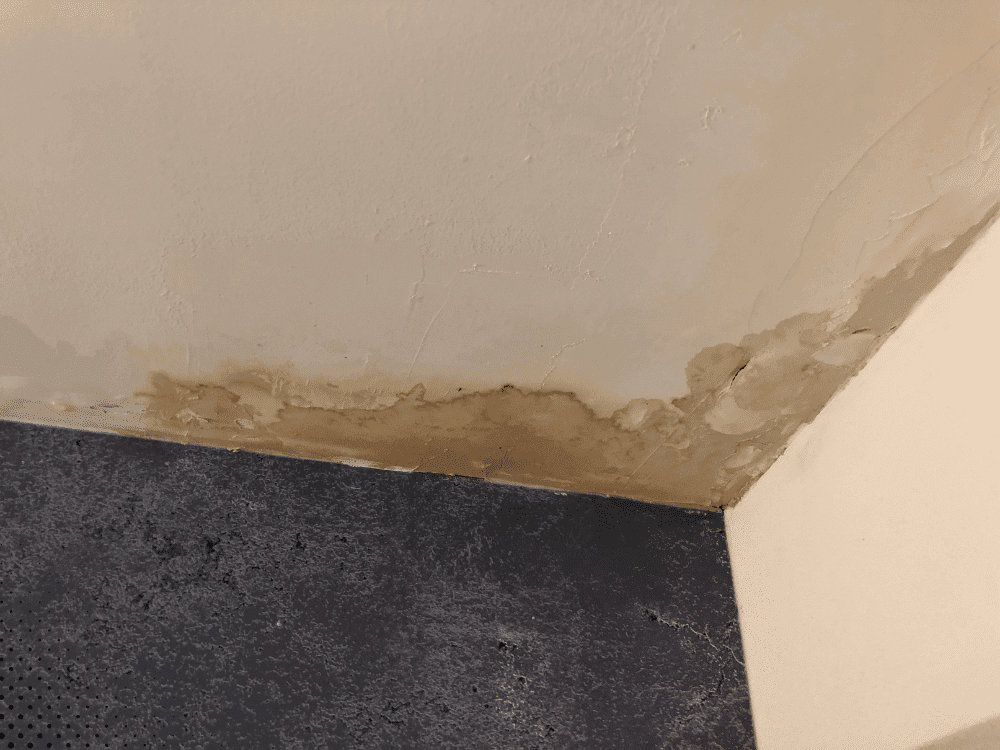
6. Moisture Intrusion and Drainage Issues
Seasonal rain can expose drainage problems that aren’t always visible. Inspectors look for signs of:
- Water intrusion
- Poor grading around the home
- Roof drainage issues
- Moisture buildup in attics or crawlspaces
Moisture-related issues are important to identify early to prevent long-term damage.
Why These Issues Matter in San Antonio
Many of these findings are directly influenced by local environmental conditions, including soil movement, heat, and weather patterns. This is why working with a local inspector is important—they understand how these factors impact homes in the area.
If you’re preparing to buy, a Buyer Inspection helps uncover these issues before closing.
If you’re planning to sell, a Seller Inspection allows you to address concerns early and present your home with confidence.
For newer homes, a Builder’s Warranty Inspection ensures defects are identified before warranty coverage expires.
What to Do After a Home Inspection
Once an inspection is complete, the next step is understanding the findings and deciding how to move forward.
Depending on the situation, this may include:
- Requesting repairs
- Planning maintenance
- Monitoring minor issues
- Moving forward with confidence
Every home will have some level of findings—what matters most is having clarity.
Schedule Your Home Inspection Today!
Whether you’re buying, selling, or approaching your warranty deadline, a professional inspection helps you make informed decisions.
👉 Schedule your home inspection today and get the clarity you need before your next step.