

In San Antonio, "before the cold sets in" does not mean snow shovels. It means something quieter and easier to overlook: a heating system that has not run since spring, gas appliances that are about to work harder than they have all year, and a house that is about to fill up with family for Thanksgiving on November 26.
The first real cold front of the season is the night most Bexar County homeowners find out what their heat actually does. The furnace or heat pump kicks on for the first time in months, the house fills with that familiar burnt-dust smell, and whatever went wrong while it sat idle through the summer shows up all at once — usually on a weekend, usually when every HVAC company in town is booked.
A home maintenance inspection in November moves that discovery to a time you choose. Here is what it covers, what San Antonio homes typically show this time of year, and what you can check yourself this week.
What Is a Home Maintenance Inspection?
It is a full home inspection performed for the person who already owns and lives in the house — not a buyer, not a seller. Rod Inspects walks the home the same way it would for a purchase: roof and attic, structure and foundation, plumbing, electrical service and panel, heating and cooling, and the visible interior and exterior. You receive the same written report with photographs.
The difference is what you do with it. There is no option period and no negotiation. The report is simply a prioritized picture of your house — what needs attention now, what can wait for spring, and what to keep an eye on — delivered while you still have time to schedule the work on your own terms.
Why Does November Matter for a San Antonio Home?
Three things line up this month.
The heating system has been idle for months. Your air conditioning just finished a long season running close to capacity. The heating side of the same system — the furnace burner, the heat strips in an electric air handler, or the reversing function of a heat pump — has mostly sat unused since spring. Idle equipment does not announce its problems. They surface the first time it is asked to work.
Gas appliances go from light duty to heavy duty. A gas furnace, a gas water heater serving a full house of guests, a gas range running for hours on Thanksgiving, and a fireplace lit for the first time in a year — all of them depend on proper venting and combustion air. That is exactly the kind of thing a homeowner cannot see and an inspection is built to look at.
Contractor calendars fill up before the holidays. If something needs a repair, finding it in early November leaves you time to get it done before guests arrive. Finding it the night before Thanksgiving does not.
What Does a Maintenance Inspection Usually Find in Bexar County Homes This Time of Year?
Heating equipment that sat all summer
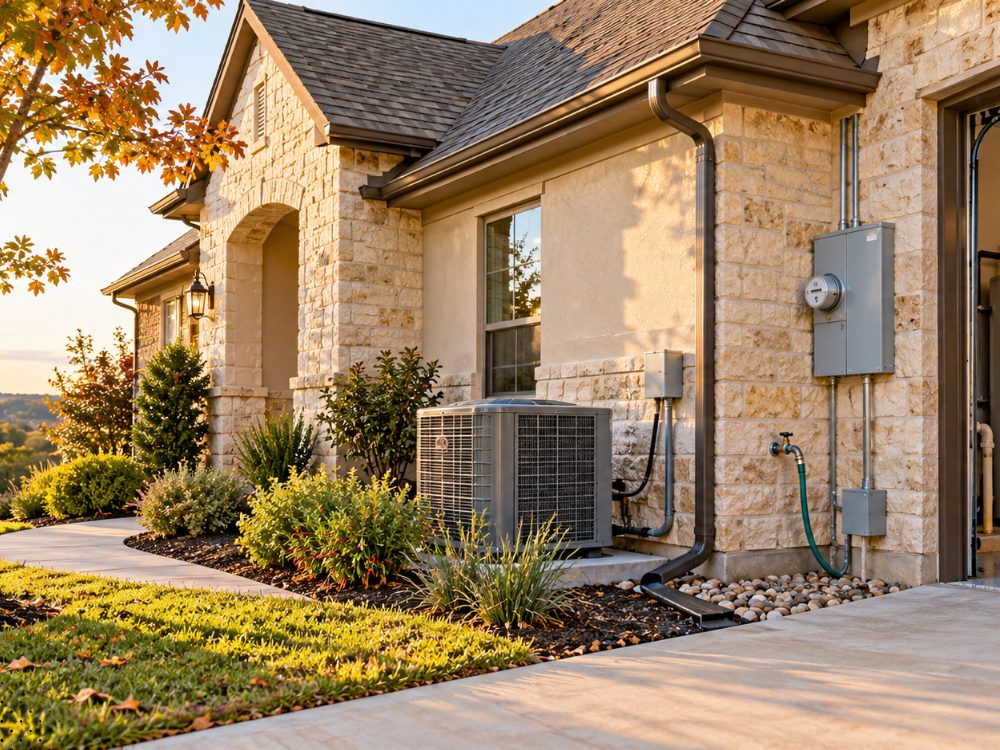
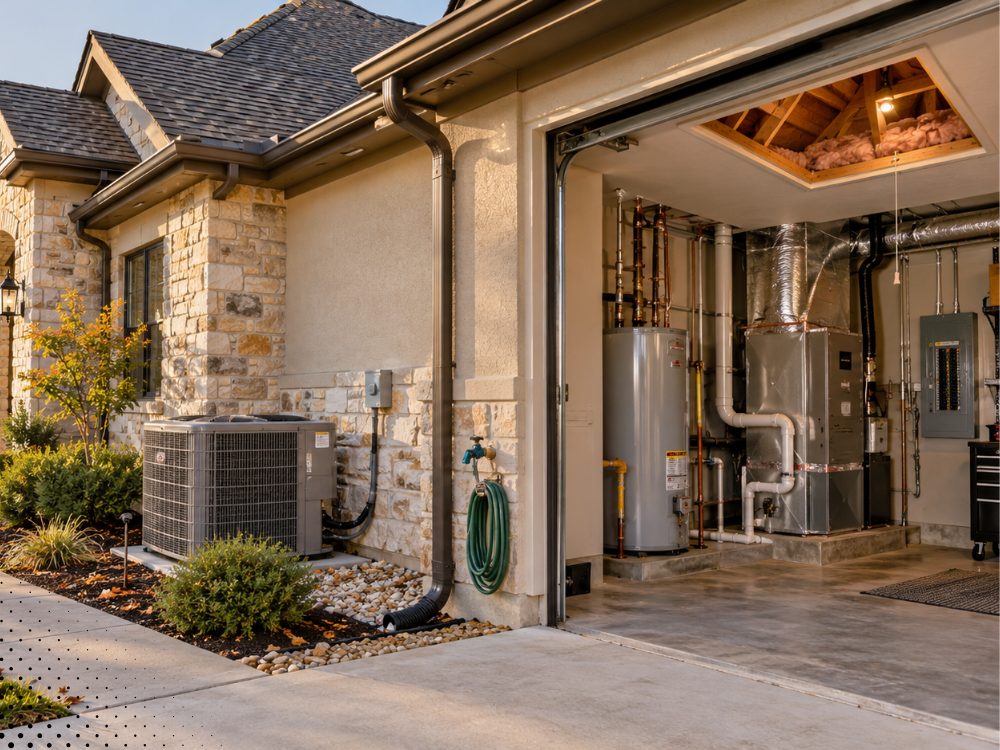
In most San Antonio homes the heating equipment lives in the attic or a closet alongside the air handler. After a hard cooling season, common findings include rust and water staining at the unit from condensate problems, a clogged condensate line or an emergency pan holding water, loose or separated duct connections, dirty filters, and heat strips or burners that have not been tested since last winter. An inspector operates the heating system with normal controls and reports on how it responds.
Venting on gas furnaces and water heaters
Flue pipes that have separated at a joint, lost their slope, or rusted through are a standard finding in attics. So are vent connectors with too little clearance to wood framing and water heaters with missing or damaged draft hoods. These are the details that decide where combustion gases actually go.
Smoke and carbon monoxide alarms
Missing CO alarms in homes with gas appliances or an attached garage, alarms past their replacement date, and alarms that simply do not sound when tested are some of the most common — and least expensive — items on any report. They matter most in exactly the weeks when the heat is running and the house is full.
Fireplaces used once a year
Many San Antonio fireplaces are lit for a handful of nights each winter, which means a year of nesting debris, a damper that may not open fully, and a firebox or gas log set nobody has looked at since last season. An inspector evaluates the visible components and will recommend a chimney specialist when a full evaluation of the flue is warranted.
Electrical loads that jump for the holidays
Space heaters, holiday lighting and a full kitchen running at once put new demand on circuits that were quiet all summer. Missing GFCI protection at exterior and kitchen outlets, warm or damaged receptacles, overloaded power strips and panel issues are all worth knowing about before the extension cords come out.
Attic plumbing and exterior hose bibs
In slab-on-grade construction the water supply lines typically run through the attic. A maintenance inspection notes uninsulated lines there and at exterior hose bibs, so if a freeze warning is ever issued this winter the fix is already done — a job that takes an afternoon now and is nearly impossible to schedule once a warning is on the news.
What Can You Check Yourself Before Thanksgiving?
- Run the heat for a full cycle before you need it. A brief burnt-dust smell on the first run is common; a smell that persists, a burner that will not stay lit, or a breaker that trips is a reason to call a technician.
- Replace the HVAC filter. After a long cooling season it is almost certainly due.
- Test every smoke and carbon monoxide alarm and replace batteries. The U.S. Fire Administration publishes current placement and replacement guidance, and the U.S. Consumer Product Safety Commission covers carbon monoxide safety.
- Clean the dryer vent — lint, the vent duct and the exterior flap. A full house means more laundry.
- Look up the fireplace flue with a flashlight before the first fire, and confirm the damper opens fully.
- Disconnect garden hoses and insulate exterior hose bibs so you are ready if a freeze warning is issued.
- Keep space heaters clear of curtains, bedding and furniture, and plug them directly into the wall rather than a power strip.
What Does a Home Inspection Cover in Texas?
A Texas home inspection follows the TREC Standards of Practice, which set the minimum scope: structural systems, roofing, foundation, exterior and interior, electrical, plumbing, heating and cooling, and insulation and ventilation. It is a visual and operational evaluation — not destructive testing, not a code compliance inspection, and not a substitute for an HVAC technician's service call or a chimney sweep's flue evaluation when those are warranted.
Thermal imaging is worth discussing when you schedule. InterNACHI's Standards of Practice are also worth a read beforehand.